Affordable Rug Cleaning W8 Kensington High Street
Posted on 09/05/2026
If your rug is starting to look tired, dull, or a little too familiar with last night's tea spill, you are not alone. Rugs in W8 take a beating: muddy shoes, pet hair, street dust, spilled coffee, and the general bustle of Kensington life all build up faster than people expect. The good news? Affordable rug cleaning in W8 Kensington High Street does not have to mean cut-rate service or risky shortcuts. Done properly, it can refresh the room, extend the life of your rug, and save you from replacing something that still has years left in it.
This guide breaks down what affordable rug cleaning really means, how the process works, what to look for in a local provider, and how to avoid the common mistakes that lead to colour damage, shrinkage, or lingering odours. Whether you are caring for a hallway runner, a wool living-room rug, or a valuable decorative piece, you will find practical advice here that helps you make a confident decision.
Why Affordable Rug Cleaning W8 Kensington High Street Matters
A rug is more than decoration. In many homes and offices around Kensington High Street, it is the thing that ties a room together, softens echo, and takes the daily wear that nobody notices until the fibres look flat and the colours lose their lift. A good clean restores far more than appearance. It helps with hygiene, smell, and long-term care too.
Affordable rug cleaning matters because replacement is often the expensive option. A decent wool rug, handmade piece, or large synthetic runner can cost far more than a sensible professional clean. Truth be told, people often wait until a rug looks beyond saving, when a timely clean would have been easier, cheaper, and kinder to the fibres. That is especially true in busy London households where dust and pollutants cling to soft furnishings quickly.
It also matters for health and comfort. Rugs can hold dry soil, pollen, pet dander, crumbs, and the invisible grime that gets tracked in from the street. If someone in the home has allergies, or if you run a small office and want a presentable, pleasant environment, regular rug care is not a luxury. It is basic upkeep, really.
For local readers, there is a practical side too. Kensington properties vary a lot: period flats with delicate interiors, modern apartments with lighter-coloured rugs, and rental homes where presentation affects the deposit handover. That is why many people pair rug care with broader services such as domestic cleaning in West Kensington or even house cleaning support for busy homes when the whole place needs a reset, not just one item.
Expert summary: affordable rug cleaning is not about choosing the cheapest option. It is about getting the right clean, at the right time, for a fair price, with no damage and no hidden surprises.
How Affordable Rug Cleaning W8 Kensington High Street Works
The process usually begins with an assessment. A good cleaner will look at the rug's material, weave, dyes, backing, age, stains, and wear patterns before deciding on a method. That first step matters more than many people think. A wool rug and a polypropylene rug may both look like "just rugs," but they need very different handling. One can tolerate a more robust wash; the other may react badly to over-wetting or harsh chemicals.
In many cases, the cleaning journey includes dry soil removal first. This means vacuuming or dust extraction to lift loose grit. Why start there? Because dry particles act a bit like sandpaper. If you skip that step and go straight to wet cleaning, you risk rubbing dirt deeper into the fibres. Not ideal. Not at all.
After that, the cleaner may use one of several methods depending on the rug:
- Hot water extraction: useful for some synthetic rugs and durable fibres, provided moisture is carefully controlled.
- Low-moisture or encapsulation cleaning: helpful when faster drying is important.
- Hand cleaning / specialist fibre-safe cleaning: often chosen for delicate, handmade, antique, or natural-fibre rugs.
- Spot treatment: used for stains such as food, drink, pet accidents, or ink-like marks, with caution around colourfastness.
The best affordable rug cleaning services keep the approach practical. They do not oversell a complex treatment if the rug only needs a careful wash and grooming. If you want to understand how service scope is usually framed, the services overview and pricing and quotes pages are useful starting points for checking what is included and what may count as an extra.
Drying is the final critical stage. Rugs should dry in a controlled way to avoid lingering damp smells, dye bleed, or shape distortion. In a damp London flat, that matters more than people realise. A rushed drying process can create a second problem after the first one is gone. The room smells fresher for an hour, then not so much.
Key Benefits and Practical Advantages
Let's keep this simple: a well-cleaned rug looks better, lasts longer, and feels better underfoot. That sounds obvious, but the difference can be striking. A dusty, flat rug can make an entire room feel dim. Clean fibres bounce light more naturally, colours appear clearer, and the room looks more cared for without having to redecorate.
Here are the main practical benefits:
- Improved appearance: colours become brighter and patterns easier to see.
- Better indoor freshness: odours from pets, cooking, or everyday use are reduced.
- Longer rug life: removing grit helps preserve fibres and backing.
- Better hygiene: dirt, allergens, and trapped debris are lifted out.
- Cost savings over time: cleaning is usually far cheaper than replacement.
- Better guest impression: useful for homes, landlords, offices, and hospitality settings.
There is also a subtle but important benefit: peace of mind. A properly cleaned rug no longer raises that little question in the back of your mind every time you look at it. You know the stain is dealt with. You know the smell is gone. That mental relief is worth something, to be fair.
For properties near High Street foot traffic, or homes that receive regular visitors, a rug can start to look tired long before it is truly worn out. Cleaning restores the look without changing the room's character. That is a better outcome than replacing a rug that still suits the space. If you are coordinating a bigger property refresh, you may also find it useful to explore office cleaning in West Kensington or end of tenancy cleaning alongside rug care.
Who This Is For and When It Makes Sense
Affordable rug cleaning makes sense for a surprisingly wide group of people. If your rug is used every day, it will need care eventually. The question is not whether to clean it, but when and how.
This service is especially relevant for:
- Homeowners who want to maintain a furnished living room or hallway rug.
- Tenants trying to leave a property presentable at the end of a tenancy.
- Landlords and letting agents managing turnover between occupiers.
- Small offices that want a tidier, more professional reception or meeting area.
- Pet owners dealing with hair, odours, or the odd accident.
- Families with children where spills are simply part of life.
- Collectors or owners of decorative rugs who want cautious, fibre-appropriate treatment.
It makes sense when a rug looks dull, feels sticky, has visible spots, smells stale, or sheds more dirt than expected during vacuuming. It also makes sense before a special event. Anyone who has tried to host guests with a grimy rug knows the feeling: you keep noticing the same patch in the corner, and it quietly ruins the whole room. There is no need to live with that.
Some people also combine rug care with broader home or tenancy services. For example, if a move is underway, reading a practical local guide such as this end-of-tenancy cleaning article for Earls Court flats can help you plan the order of tasks so nothing is left to the last minute.
Step-by-Step Guidance
If you want to get the best result without wasting money, a clear process helps. Here is a sensible step-by-step way to handle rug cleaning in W8.
- Identify the rug type. Check the label if one exists. Wool, silk, cotton, jute, viscose, synthetic blends, and handmade pieces all need different care.
- Inspect for stains and wear. Note where the problem areas are. Photograph them if needed. It sounds a bit fussy, but it helps later if you compare before-and-after results.
- Vacuum thoroughly. Remove loose dirt before any wet treatment. This improves the result and reduces abrasion.
- Test for colour stability. A responsible cleaner will usually check whether dyes might run, especially on older or handmade rugs.
- Choose the right method. Match the cleaning approach to the fibre, construction, and condition.
- Treat spots carefully. The stain should be handled with the correct chemistry, not random scrubbing. More force is not better here.
- Control moisture. Too much water can cause shrinkage, backing damage, or odour retention.
- Dry properly. Good airflow, proper positioning, and enough time make a major difference.
- Groom and inspect. Once dry, the pile may be brushed to restore texture and the rug checked for missed marks.
If you are hiring a professional, ask what is included in the service. Is stain treatment extra? Is collection and return available? What about delicate fibres? These questions are sensible, not awkward. A reputable provider should welcome them.
For general background on the company's approach and wider service options, the about us page and West Kensington carpet cleaning service page can help you understand the broader offering before you book anything.
Expert Tips for Better Results
There are a few small decisions that make a big difference. Most of them are common sense once someone points them out, but they are easy to miss when you are in a hurry.
- Act early on spills. Blot, don't rub. Rubbing pushes the spill deeper and can damage the pile.
- Rotate rugs periodically. This helps distribute wear from foot traffic and sunlight.
- Use a rug pad. It reduces slipping, limits friction, and can help the rug keep its shape.
- Avoid over-wetting at home. A bucket of water and hope is not a method. Honestly, it causes more headaches than it solves.
- Check dye sensitivity first. Especially on older, handmade, or brightly coloured rugs.
- Be careful with DIY sprays. Some leave residues that attract more dirt later.
- Factor in drying space. If your flat is small and airless, ask in advance how drying will be handled.
One practical tip people often overlook: vacuum both sides where suitable. The back of a rug can hold fine dust that migrates into the pile over time. It is a small thing, but it helps. Another one: if your rug sits under furniture, move the furniture carefully before cleaning so hidden wear patterns can be checked. You may discover the "dirty rug" is actually partly a furniture shadow. Happens more than you'd think.
If you want to keep related surfaces in good shape, it can be sensible to align rug care with upholstery cleaning in West Kensington. Sofas, rugs, and chairs tend to age together, and treating them as a set gives the room a more even finish.
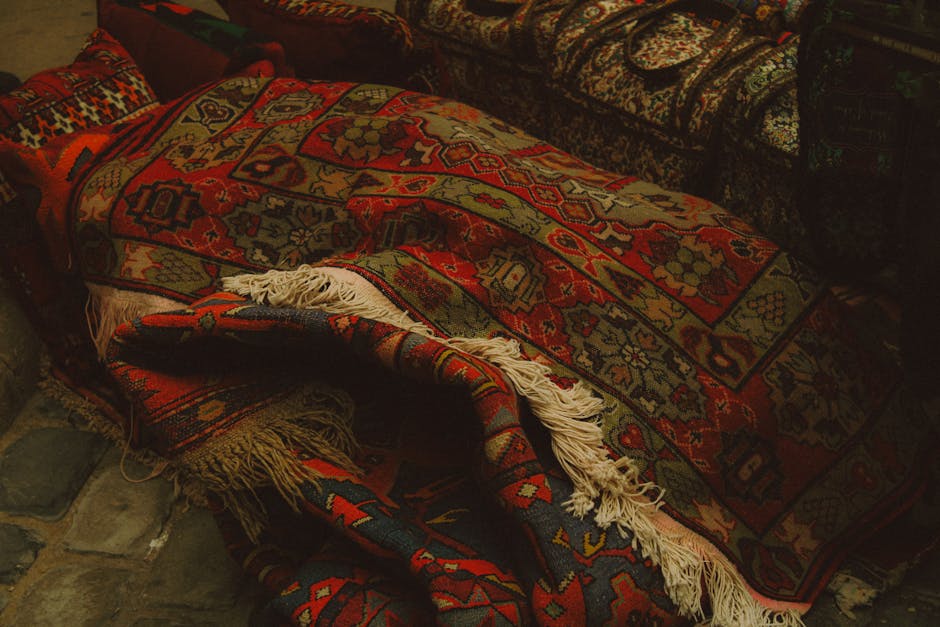
Common Mistakes to Avoid
Most rug damage does not come from one dramatic event. It comes from small, repeated mistakes. That is the annoying part.
- Using the wrong cleaner: bleach, harsh alkaline products, or random household chemicals can strip colour or weaken fibres.
- Scrubbing aggressively: this can distort the pile and spread staining.
- Skipping the dry soil removal step: dirt left in the rug turns into muddy residue during wet cleaning.
- Cleaning without checking fibre type: silk, viscose, and wool are not all treated the same way.
- Over-wetting the backing: this can lead to rippling, smell, or mould risk.
- Ignoring lingering odours: a smell usually means residue, moisture, or an untreated source, not just "the rug being old."
- Choosing purely on price: the cheapest quote is not always the most affordable once damage is factored in.
A practical example: a synthetic rug with a tea stain might tolerate more direct treatment than a handwoven wool rug with vegetable dyes. Treating both the same way is where people get into trouble. The process needs judgement, not just products. That is the real difference between a bargain and an actual value service.
Tools, Resources and Recommendations
If you are planning ahead or doing basic maintenance before a professional visit, a few tools are genuinely useful. Nothing fancy needed.
- Quality vacuum cleaner: preferably with adjustable suction and a brush setting suitable for rugs.
- Soft white cloths: useful for blotting small spills without transferring dye.
- pH-appropriate spot treatment: only if suitable for the fibre and stain type.
- Rug pad or underlay: helps prevent movement and friction.
- Fan or airflow plan: especially important in smaller London properties where drying can take longer.
- Simple inspection checklist: note fibre, backing, stains, and loose edges before cleaning begins.
For people comparing providers, the most useful resources are usually the company's own support pages. Read the insurance and safety information, review the payment and security details, and check the terms and conditions so you know what to expect before booking. It is boring admin, yes, but it prevents frustration later.
If you are still gathering context about local life and property expectations in the area, the blog can be useful too. For a broader sense of Kensington as a place, you might enjoy this guide to Kensington's eclectic side or the article on evaluating Kensington as a home. They are not rug-cleaning guides, of course, but they help frame the kind of homes and interiors people are caring for around here.
Law, Compliance, Standards, or Best Practice
Rug cleaning is not a heavily regulated trade in the way some industries are, but there are still sensible standards and responsibilities that matter. At a minimum, a professional service should treat your property carefully, use products responsibly, and communicate clearly about risks, limitations, and aftercare.
In the UK, best practice usually includes:
- Clear risk awareness: identifying delicate fibres, dye sensitivity, or construction issues before cleaning.
- Safe handling of cleaning agents: products should be used according to manufacturer guidance and stored properly.
- Respect for property and belongings: moving items carefully and protecting floors where necessary.
- Honest pricing and communication: extra charges, if any, should be explained clearly in advance.
- Insurance consideration: customers should know whether the provider carries relevant cover.
If you are booking into a rental or managed property, keep records of communications, invoices, and any condition notes. That is just sensible housekeeping. If a rug is particularly valuable, antique, or sentimentally important, ask whether the cleaner is comfortable with specialist fibres or whether a more cautious route is needed. No one sensible should promise magic on a fragile heirloom.
For broader company policies and standards, you may also want to review the health and safety policy, accessibility statement, and privacy policy. They are not the exciting part, but they do build trust.
Options, Methods, or Comparison Table
Not every rug needs the same treatment. In fact, the best value often comes from matching the method to the rug instead of defaulting to the most aggressive clean available.
| Method | Best For | Strengths | Watch-Outs |
|---|---|---|---|
| Hot water extraction | Durable synthetic rugs and some sturdy household rugs | Deep cleaning, strong soil removal, good for general refresh | Can be too wet for delicate fibres if not carefully controlled |
| Low-moisture cleaning | Rugs needing faster drying or lighter soil removal | Shorter drying time, less risk of saturation | May not be ideal for heavy staining or deeply embedded dirt |
| Hand cleaning / specialist cleaning | Wool, silk, handmade, antique, or dye-sensitive rugs | More control, fibre-appropriate treatment, lower risk on fragile pieces | Usually takes more time and may cost more |
| Spot treatment only | Minor isolated stains on otherwise clean rugs | Simple and cost-effective | Not enough for overall soiling or odour build-up |
A fair comparison is not only about method, though. It is also about what is included. Collection and delivery, inspection, stain treatment, deodorising, and drying support can all affect the overall value. A slightly higher quote may actually be the cheaper choice if it includes the right steps and avoids repeat cleaning.
Case Study or Real-World Example
Here is a realistic scenario. A family in a flat near Kensington High Street had a medium-sized wool blend rug in the living room. Over time, the rug had picked up darkened foot traffic marks near the sofa, a faint food smell, and one visible spill from a takeaway night that had somehow survived three rounds of "we'll sort it later."
They were considering replacement because the room looked flat and a bit sad by late afternoon light. But after inspection, the rug was judged to be structurally sound. The cleaner recommended a gentle fibre-safe treatment, careful stain work on the traffic lanes, and controlled drying rather than a heavy wash.
The result was not a miracle. Rugs rarely become brand new. But the room looked brighter, the smell was gone, and the pattern could actually be seen again. The family kept the rug, saved money, and avoided the hassle of finding a replacement that matched their furniture. That is what affordable rug cleaning should do: solve the actual problem without turning it into a bigger one.
In a commercial setting, the same logic applies. A reception rug in a small office can look unprofessional long before it is truly worn out. A straightforward clean can improve the first impression without a full refurbishment. Small win, but a real one.
Practical Checklist
Use this quick checklist before booking or carrying out rug cleaning:
- Identify the rug material and approximate age.
- Check for labels, maker notes, or care instructions.
- Photograph stains, wear, and any existing damage.
- Ask whether the cleaner has experience with your rug type.
- Confirm whether stain treatment, deodorising, or collection is included.
- Ask how drying is managed and how long it may take.
- Clarify whether insurance cover is in place.
- Make sure any delicate furniture or nearby surfaces are protected.
- Plan where the rug will dry and how long it can stay out of use.
- Review aftercare advice so the result lasts longer.
If you are coordinating multiple services, it can help to look at the wider cleaning plan rather than treating the rug as a one-off job. For example, some readers combine rug care with office cleaning in West Kensington or broader house cleaning so the whole space feels properly refreshed. Makes sense, really.
Conclusion
Affordable rug cleaning in W8 Kensington High Street is about more than a low price. It is about choosing a careful, practical service that protects the fibres, respects the rug's value, and gives you a cleaner, fresher result without unnecessary stress. The right approach depends on the rug itself, the type of staining, and how much wear it has already taken. That is why a thoughtful assessment matters so much.
For homes, rentals, and offices alike, regular rug care is one of those small maintenance tasks that quietly pays for itself. The room looks better. The air feels fresher. You stop noticing the stain and start enjoying the space again. Simple as that. Well, mostly simple.
If you are comparing providers, look for clear communication, sensible methods, and evidence of care around safety and aftercare. That combination tends to produce the best value in the long run, even if it is not always the cheapest headline number.
Get a free quote today and see how much you can save.
And if you are still weighing up your options, take your time. A good decision now can keep a favourite rug in the room for years, and there is something quietly satisfying about that.