Before and after upholstery cleaning West Kensington maisonette: what changes, what to expect, and how to get better results
If you are looking at a tired sofa, marked dining chairs, or a flattened armchair in a West Kensington maisonette, the honest question is usually simple: will upholstery cleaning actually make a visible difference? The short answer is often yes - sometimes a subtle lift, sometimes a very obvious transformation. This guide to before and after upholstery cleaning West Kensington maisonette explains what really changes, why it matters, and how to judge whether your furniture is ready for cleaning. It also covers the practical bits people forget, like access in maisonettes, drying time, fabric risks, and what a good result should look like in real life.
In our experience, the best upholstery cleaning jobs are not the most dramatic ones online. They are the ones that look natural afterwards: cleaner, fresher, brighter, and still like the same piece of furniture. That matters if you live in a maisonette, where furniture often works hard and space is at a premium. One stain on a favourite chair can feel bigger than it is. Truth be told, it can ruin the whole feel of a room. Let's sort out what a good result should look like.
Table of Contents
- Why Before and after upholstery cleaning West Kensington maisonette Matters
- How Before and after upholstery cleaning West Kensington maisonette Works
- Key Benefits and Practical Advantages
- Who This Is For and When It Makes Sense
- Step-by-Step Guidance
- Expert Tips for Better Results
- Common Mistakes to Avoid
- Tools, Resources and Recommendations
- Law, Compliance, Standards, or Best Practice
- Options, Methods, or Comparison Table
- Case Study or Real-World Example
- Practical Checklist
- Conclusion
- Frequently Asked Questions
Why Before and after upholstery cleaning West Kensington maisonette Matters
Before-and-after comparison is more than a nice marketing photo. It is how you tell whether a clean has genuinely improved the fabric, or whether it has merely shifted dirt around. In a maisonette, that matters because upholstery often sits in living rooms, stair landings, small lounges, or dining spaces where light is mixed and every mark seems to show. A proper clean can change the whole mood of a room. Not just the furniture.
There is also a practical side. Upholstery holds on to body oils, dust, pet hair, spill residue, and everyday grime. Over time, that buildup dulls colour and makes fibres feel sticky or tired. After cleaning, fabric often looks lighter and more even, and the texture can feel more open under the hand. You may notice the room smells fresher too, which is one of those small wins people quietly love.
For West Kensington homes, another factor is layout. Maisonettes often have stairs, tighter entrances, and awkward turns. That means the cleaning process has to be carefully handled, not rushed. A visible before-and-after result is useful because it shows the work was thorough and the furniture was treated respectfully. Nobody wants a "cleaned" sofa that still has old rings at the arm or a damp patch left behind. Been there? Not fun.
There is a confidence factor as well. If you are preparing for guests, tenants, or simply want to enjoy your home again, the before and after tells you whether the service has met the mark. It is a simple visual check, but an important one.
How Before and after upholstery cleaning West Kensington maisonette Works
Upholstery cleaning is not just a spray-and-wipe job. A good cleaner will assess the fabric type, the visible marks, the level of wear, and the drying conditions before touching the piece. That first check is critical. Velvet, wool blends, synthetics, cotton mixes, and delicate woven fabrics all behave differently. One method does not fit all, and anyone claiming otherwise is oversimplifying things a bit.
The process usually starts with inspection and testing. A technician checks labels where possible, looks for colour fastness, and identifies problem areas such as old drink spills, pet contamination, grease, or traffic marks. Then the piece is pre-treated. That may involve a specialist solution for stains or a gentle loosening of embedded dirt. In many cases, agitation is kept controlled so the pile is not damaged.
Next comes the main clean. Depending on the fabric and condition, this may be a low-moisture extraction approach, a steam-based method, or a careful controlled-wet process. The aim is always the same: lift soil from the fibres and remove it, not just push it deeper. The before and after difference comes from that extraction step. It is what gets rid of the dulling layer that settles over time.
Finally, the fabric is groomed and left to dry properly. Drying is not a small detail; it is half the job. Without enough airflow, upholstery can feel slightly stiff or stay patchy. In a maisonette, windows, heating, and access points all affect this. A skilled cleaner will normally advise you on drying time and what to avoid, like sitting too soon or placing items back against the fabric.
If you are comparing services, it can help to look at broader home cleaning options too, especially if you are dealing with several rooms at once. Some people pair upholstery care with deep cleaning or even sofa cleaning when the whole living area needs a proper refresh.
Key Benefits and Practical Advantages
The biggest benefit is obvious: furniture looks better. But the value goes beyond appearance. A cleaned sofa or chair often feels more comfortable, smells cleaner, and helps a room feel cared for again. Small space? Big difference. In a maisonette, that can make the whole downstairs area feel less cluttered and more welcoming.
- Better appearance: marks, shading, and general dullness are reduced, so the fabric looks brighter and more even.
- Improved hygiene: embedded dust, skin flakes, and everyday residue are lifted out, which is especially useful in homes with allergies or pets.
- Odour reduction: food smells, pet odours, and stale indoor smells often become much less noticeable after a proper clean.
- Longer fabric life: removing grit and residues helps reduce wear on the fibres.
- Better room presentation: ideal if you are hosting, renting out, selling, or just want the place to feel settled again.
There is also a financial angle, though it should be kept sensible. Good cleaning can delay replacement, which is helpful when furniture is still structurally sound but visually tired. That said, no cleaner can reverse deep fabric fatigue or sun fading. Honest expectations matter. A faded arm from years by a window may improve a bit, but it will not look brand new. And that is okay.
Another advantage is peace of mind. If you know a piece has been properly cleaned, you stop noticing every little shadow on it. You stop hovering over the sofa with a glass in hand, worried about the next accidental splash. That's a nice feeling, honestly.
Who This Is For and When It Makes Sense
This kind of cleaning makes sense for a wide range of households, but it is especially relevant if you are living in a busy maisonette where furniture gets used daily. Think family homes, shared flats, rental properties, short-let spaces, and smaller homes where the same sofa does everything: sitting, snacking, laptop work, and the odd nap. Furniture in that kind of setting takes a beating.
It is a good option if you have:
- visible food or drink marks on sofas or chairs
- pet hair, odours, or the occasional accident
- traffic shading on arms, seat fronts, or headrests
- a property that feels dusty even after regular vacuuming
- furniture you want to keep rather than replace
- rental turnover or guests arriving soon
It also makes sense before seasonal changes. A spring refresh or pre-winter reset can make a room feel very different. On a damp January afternoon, for example, a freshly cleaned sofa can make the whole room feel less heavy. Small thing, but you notice it.
If the fabric is badly damaged, threadbare, or already losing structure, cleaning may still help cosmetically but will not solve the underlying issue. A good provider should say so plainly. That kind of honesty is a good sign, not a bad one.
People often pair upholstery care with other home services when their home needs a more complete reset. For example, move-in cleaning can be useful if you are settling into a new maisonette, while move-out cleaning or end of tenancy cleaning may make more sense when a property needs to be handed over neatly.
Step-by-Step Guidance
Here is a straightforward way to think about the process from start to finish. It is not glamorous, but it helps you judge whether the work is being done properly.
- Check the fabric and condition. Look for care labels if they are available. Note any loose seams, faded areas, or delicate trims.
- Vacuum thoroughly first. Dry soil should be removed before any liquid cleaning starts. Otherwise, you can turn dust into mud. Not ideal.
- Spot the problem areas. Identify stains, odours, pet spots, and worn sections so treatment can be targeted.
- Test in a hidden area. This helps reduce the risk of colour transfer or fibre damage.
- Pre-treat marks carefully. Grease, drink spills, and pet stains usually need separate attention before the main clean.
- Clean using the right method. The chosen process should suit the fabric rather than force the fabric to suit the process.
- Extract moisture and residues. This is the part that lifts the dirt out instead of leaving it behind.
- Groom and dry. The pile should be aligned, and the room should be left with adequate airflow.
- Inspect the result. Compare the cleaned sections with the pre-clean state, ideally in daylight.
If you are doing a before-and-after review yourself, try taking photos in the same lighting from the same angle. Morning light and evening light can change everything, which is a tiny annoyance that can make a "cleaned" sofa look different even when it is not. If you want a fair comparison, be consistent.
A practical example: if the sofa arms were greyed from daily use, a good clean may restore the original fabric tone around the edges and lift the darker traffic band. The result should look natural, not bleached. That is the difference between a clean and an over-aggressive clean.
Expert Tips for Better Results
Some small decisions can make a big difference to the final result. These are the sorts of things that come up again and again in real homes, especially in compact London properties where airflow and access are not always ideal.
- Vacuum before the appointment. It sounds simple, but it helps the cleaner focus on stains rather than loose dust and crumbs.
- Tell the cleaner about old spills. Even if the mark looks faded, it can still affect the treatment choice.
- Avoid over-wetting the fabric. More water is not better. It can slow drying and cause wicking, where marks reappear as the fabric dries.
- Open windows if weather allows. Cross-ventilation can really help drying in a maisonette.
- Move side tables and cushions beforehand. It saves time and reduces awkward handling in tight rooms.
- Ask for aftercare advice. A decent cleaner should tell you how long to wait before using the furniture fully again.
One useful trick is to photograph stain locations before cleaning. Not just for vanity. It helps you check whether the treatment was thorough and gives you a record of what improved. If a stain was always going to remain faint, you will know that too. That little bit of clarity is worth having.
Also, do not ignore the room itself. If the carpet, curtains, or nearby soft furnishings are dusty, the upholstery can quickly look tired again. A coordinated approach can make the cleaned furniture stand out in a good way. The room just feels calmer. Cleaner. Less "in progress."
Common Mistakes to Avoid
A lot of disappointing results come down to avoidable mistakes rather than bad luck. Here are the ones that show up most often.
- Choosing the wrong cleaning method for the fabric. Delicate materials need different treatment from durable synthetics.
- Ignoring drying time. Sitting on the furniture too soon can flatten fibres and leave transfer marks.
- Trying to scrub stains out aggressively. This often spreads the mark or roughs up the fabric.
- Skipping a pre-clean inspection. Loose buttons, weak stitching, and colour issues should be identified early.
- Expecting full restoration of damaged fabric. Cleaning improves appearance; it does not reverse wear and tear.
- Using too much product at home before the cleaner arrives. DIY spot treatments can set stains or leave residues that are harder to remove later.
Let's face it, most people do at least one of these once. Usually out of impatience. But upholstery rewards restraint. The cleaner the process, the better the final look.
A small but important mistake is forgetting about access. In a maisonette, turning tight corners or carrying equipment upstairs can affect the time needed and sometimes the setup. If you know a sofa is awkward to move, say so in advance. That saves stress on the day.
Tools, Resources and Recommendations
You do not need a garage full of equipment to judge or support a good upholstery clean. A few practical tools and habits are enough.
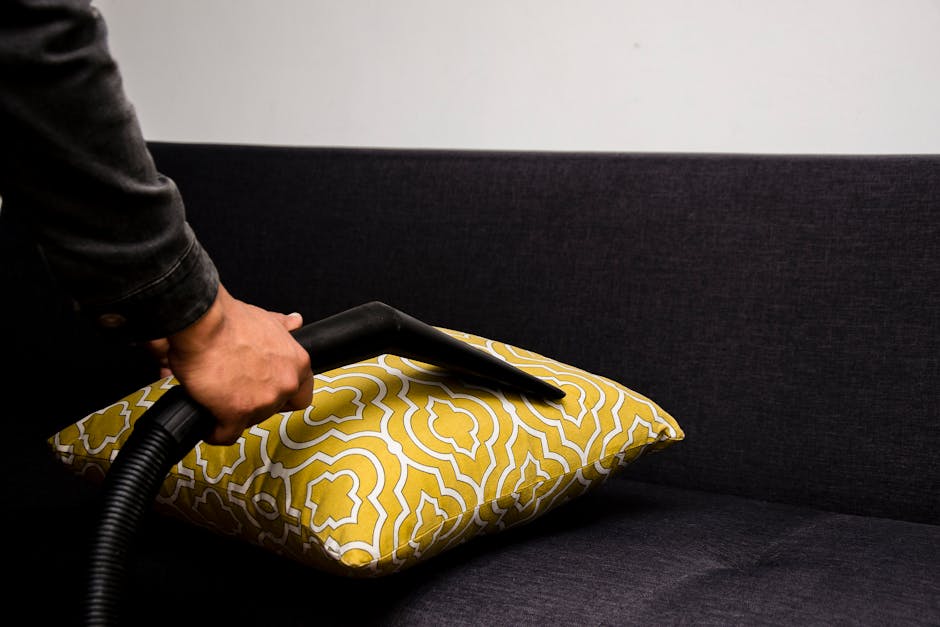
- A vacuum with upholstery attachments for regular maintenance between professional visits
- Microfibre cloths for gentle surface dusting
- Soft brush attachments for lifting loose debris without damaging pile
- Good lighting so you can check for shading and residue, especially near arms and seat fronts
- Notebook or phone photos for before-and-after comparison
If you want a broader whole-home reset, it can be worth looking at related services that support the same result. For example, curtain cleaning can help remove dust that settles back onto upholstery, and mattress cleaning can be a smart add-on if you are already tackling soft furnishings.
For homes with pets, odour control often becomes part of the decision too. In that case, services such as pet stain odour removal and stain removal can be relevant alongside upholstery care. If the furniture is part of a larger refresh, one-off cleaning or domestic cleaning may fit the wider plan better.
Law, Compliance, Standards, or Best Practice
For upholstery cleaning in a residential maisonette, the main concerns are usually safety, product handling, and care of property rather than heavy regulation. Still, good practice matters. A trustworthy provider should be clear about risk, cautious with moisture, and respectful of access routes, flooring, and nearby surfaces.
In the UK, it is normal for service businesses to maintain appropriate insurance, follow health and safety procedures, and use cleaning products responsibly. If you are inviting a contractor into a home or rental property, it is sensible to ask about liability cover and what happens if something is damaged. That is not being difficult. It is sensible home management, plain and simple.
If you are a tenant, landlord, or managing agent, the practical standard is usually about condition and handover: clean, safe, and reasonably well presented. Upholstery care can support that, but it should not be used to hide wear or damage. If the furniture is heavily soiled or structurally compromised, that should be discussed openly before work starts.
There is also a wider duty of care around product use and ventilation. Even mild cleaning solutions should be applied as directed, with enough drying time and airflow to reduce lingering dampness. In a maisonette, that may mean opening windows or planning the cleaning for a time when the room can be left alone for a few hours. Small detail, big difference.
Options, Methods, or Comparison Table
Different upholstery cleaning approaches suit different fabrics and situations. The best method is the one that gives a strong before-and-after improvement without stressing the material. Here is a simple comparison.
| Method | Best for | Strengths | Watch-outs |
|---|---|---|---|
| Low-moisture cleaning | General upholstery, mixed fabrics, homes needing quicker drying | Fast turnaround, less risk of oversaturation | May need extra stain work for deep marks |
| Extraction cleaning | Durable fabrics with embedded dirt or heavy use | Strong soil removal, good for visible before-and-after change | Needs careful drying and correct fabric assessment |
| Steam-based treatment | Where heat-compatible fabrics and hygiene-focused cleaning are suitable | Can help refresh heavily used furniture | Not ideal for all fabrics; overuse can be risky |
| Targeted spot treatment | Single stains or localised problem areas | Useful for isolated marks, less invasive | May not refresh the whole piece evenly |
For many maisonettes, a combination approach works best. A sofa may need full cleaning on the seat and arms, with targeted treatment for a stubborn tea mark near the cushion seam. Chairs may only need surface refresh plus spot correction. That sort of judgment is what separates a tidy result from a really satisfying one.
Case Study or Real-World Example
Here is a realistic example based on the sort of job many homes in West Kensington need. A two-level maisonette had a three-seater sofa in the living room, two dining chairs, and a fabric armchair by the window. The sofa showed darkening on the seat fronts and one faint spill mark on the arm. The chairs had finger marks around the backs from daily use. The armchair had collected dust and a bit of general dullness from sitting near the window and radiator.
Before cleaning, the overall impression was not "dirty" in a dramatic sense. More like tired. The fabric looked a touch flat and the colours had lost contrast. After a careful clean, the seat fronts looked more even, the arm marks lifted noticeably, and the dining chairs looked lighter and neater. The armchair improved too, especially in natural light, where the fabric no longer looked greyed over.
What made the difference? A few things. The cleaner checked the fabric type first, used targeted treatment on the spill mark, and allowed proper drying with windows open for airflow. The result was not brand new furniture. It was better than that in a practical sense: the room felt looked-after again.
Expert summary: the best before-and-after upholstery cleaning result is not the whitest or the flashiest one. It is the one that removes visible soil, freshens the room, protects the fabric, and still leaves the furniture looking like itself.
Practical Checklist
Use this checklist before your upholstery clean if you want the best chance of a good result.
- Vacuum the furniture first, including seams and under cushions
- Photograph stains and worn spots in the same light where possible
- Check care labels or note any known fabric concerns
- Move small items, cushions, and side tables out of the way
- Tell the cleaner about pets, spills, smoke odours, or old treatment attempts
- Ask how long drying is likely to take
- Plan for airflow if the room is in a tight maisonette layout
- Avoid using the furniture heavily until it is properly dry
- Inspect the result in daylight if you can
- Keep a simple maintenance plan for the weeks after cleaning
If you tick those boxes, you are already ahead of most people. Really.
Conclusion
Before and after upholstery cleaning in a West Kensington maisonette is about more than a cleaner-looking sofa. It is about how the room feels when the dust, marks, and stale odours are no longer running the show. A good clean should restore freshness, improve comfort, and make the furniture feel useful again without forcing it into an unnatural finish.
That is why the best results are measured carefully: same angle, same light, honest expectations. If the fabric is suitable, the marks are treatable, and the drying is managed properly, the difference can be genuinely satisfying. Not dramatic for drama's sake. Just properly better.
If your upholstery is looking tired, stained, or simply past its best, the next sensible step is to compare the condition, decide what really needs attention, and choose a method that respects the fabric as much as the finish.
Get a free quote today and see how much you can save.
And if all you needed was a bit of reassurance: yes, furniture can come back to life a little. Sometimes that is enough to make the whole room breathe easier.
Frequently Asked Questions
What does before and after upholstery cleaning actually show?
It shows the visible change in fabric condition after cleaning, such as reduced marks, improved colour, better texture, and less dullness. In a maisonette, it also helps you judge whether access, drying, and treatment were handled well.
How much difference should I expect from upholstery cleaning?
That depends on the fabric, the age of the marks, and the condition of the furniture. Light to moderate soiling often improves a lot, while older stains or faded fabric may only improve partially. A good cleaner should explain that clearly.
Will upholstery cleaning remove all stains?
Not always. Fresh spills and surface marks are usually easier to lift than old, set-in stains. Some discolouration can remain, especially if the fabric has already been damaged or if the stain has been treated incorrectly before.
How long does upholstery take to dry in a West Kensington maisonette?
Drying time varies with fabric type, cleaning method, room ventilation, and the weather. A maisonette with good airflow and open windows may dry faster than a closed, humid room. You should always ask for a realistic time estimate before work begins.
Is upholstery cleaning safe for delicate fabrics?
It can be, provided the cleaner tests the fabric first and uses a suitable method. Delicate or mixed fabrics need extra care. If there is any doubt, the gentler option is usually the smarter one.
Can upholstery cleaning help with pet smells?
Yes, often it can. Cleaning helps remove odour-causing residue trapped in the fibres, though strong pet contamination may need more targeted treatment. If odour is a big issue, ask about a service focused on pet stain and smell removal.
Should I clean my sofa or chairs before a tenancy inspection?
Usually, yes. Clean upholstery can make the whole property look better and helps present the home in a cared-for condition. Just make sure the furniture is fully dry before inspection day, because a damp sofa is nobody's friend.
What is the best way to compare before and after results?
Take photographs from the same position, in similar lighting, before and after cleaning. Daylight is best if possible. This gives you a fair comparison and stops shadows from making the result look better or worse than it really is.
Can I clean upholstery myself instead of booking a professional?
For light surface refreshing, yes, careful vacuuming and gentle spot cleaning can help. But for set-in stains, odours, or valuable fabric, a professional approach is usually safer. DIY cleaning can easily spread marks or leave residue behind.
How often should upholstery be cleaned?
That depends on use. Busy family sofas, pet-friendly homes, and rental properties often need attention more often than lightly used furniture. Regular vacuuming helps in between, but a deeper clean is useful when the fabric starts to look dull or feel heavy.
Does upholstery cleaning also help with allergies?
It may help by removing dust and debris trapped in the fibres, which can make a room feel fresher. That said, it is not a medical treatment and should not be treated as one. It is simply part of a cleaner indoor environment.
What should I do after the upholstery has been cleaned?
Let it dry fully, avoid heavy use too soon, and follow any aftercare advice you are given. If possible, keep the room ventilated for a while. Once dry, a quick vacuum now and then helps preserve the result.