What to know about upholstery cleaning near Gloucester Road
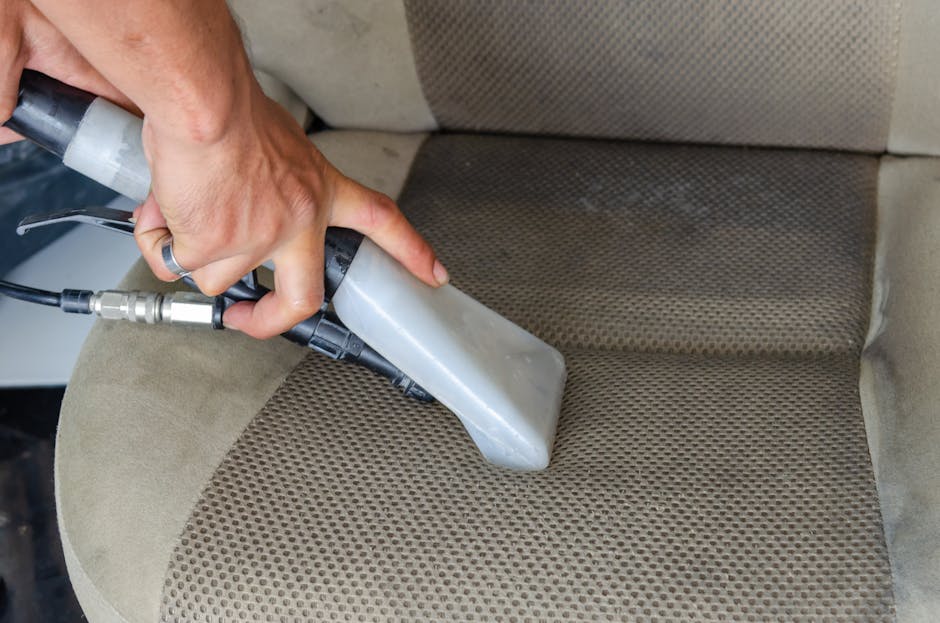
If you live or work near Gloucester Road, upholstery cleaning tends to move from "nice to have" to "why didn't I do this sooner?" pretty quickly. A sofa picks up crumbs, pet hair, body oils, drink marks, and that general London-life haze that builds up in busy homes and offices. The tricky part is that upholstery is not carpet. It needs a gentler, more careful approach, especially when you're dealing with delicate fabrics, favourite armchairs, or that one corner seat everyone seems to use after a long day.
This guide breaks down what to know about upholstery cleaning near Gloucester Road in plain English: how it works, what affects results, when to book it, what mistakes to avoid, and how to judge whether a cleaner is worth trusting with your furniture. If you want a more local read first, you may also find it useful to browse the latest cleaning advice on our blog before making a decision.
Why it matters
Upholstery is one of those things people stop noticing until a stain, smell, or dull patch suddenly jumps out at them. Near Gloucester Road, that matters even more because many properties mix period charm with busy day-to-day living: shared flats, family homes, rentals, and small offices all tend to make sofas work hard. Fabric can trap dust and allergens. Light-coloured seating shows traffic marks quickly. Leather, meanwhile, can dry out and look tired if it's never properly cared for.
There's also a presentation angle. If you're preparing a flat for tenants, refreshing a reception area, or just trying to make a living room feel clean again, upholstery can change the whole room in one go. It's a bit unfair, really, how much impact one sofa can have. Clean it, and the whole room suddenly feels brighter, fresher, and more "look after yourself" than "I'll get to it next month."
Around Gloucester Road, where a lot of homes sit close to transport, traffic, and active city life, airborne grime settles faster than many people expect. Add pets, children, guests, or regular working-from-home use, and professional upholstery cleaning becomes less of a luxury and more of a practical maintenance step.
Expert summary: good upholstery cleaning is not just about removing visible marks. It's about protecting fabric, improving hygiene, keeping furniture presentable, and avoiding damage that comes from guesswork or over-wetting.
How it works
Professional upholstery cleaning usually starts with inspection. A cleaner checks the fabric type, the construction of the furniture, the level of soiling, and any problem areas such as dye transfer, grease, or pet accidents. That first step is critical. The wrong method on the wrong fabric can cause shrinkage, colour bleed, texture changes, or a very annoying water tide mark.
After inspection, the cleaner normally removes loose dust and debris with careful vacuuming and detailed brushwork. Then comes the treatment stage, which may involve a low-moisture process, hot water extraction for suitable fabrics, dry cleaning methods for sensitive pieces, or specialist spot treatment. Not every sofa needs the same thing. In fact, the best cleaners often spend more time deciding how to clean than actually cleaning. That's a good sign, not a bad one.
Finally, the fabric is rinsed or refreshed as needed, excess moisture is controlled, and drying is managed with airflow and sensible aftercare advice. Drying time varies. A heavily used family sofa may need longer than a lightly soiled occasional chair, and a humid day can stretch things out a bit. To be fair, that is just London.
For people comparing service types, it can help to understand where upholstery cleaning sits alongside broader household support. If you're also dealing with general upkeep, the information on our services overview gives useful context about how different cleaning jobs fit together.
Key benefits and practical advantages
The obvious benefit is appearance. Fresh upholstery instantly lifts a room, especially when the existing marks have blended in so gradually that nobody admits to seeing them. But there's more to it than looks.
- Better hygiene: upholstery can hold dust, skin flakes, allergens, crumbs, and everyday grime.
- Odour reduction: food smells, pet odours, and stale household scents can settle into fabric over time.
- Longer furniture life: regular maintenance helps protect fibres and surface finish.
- Improved comfort: seats feel cleaner and more pleasant to use.
- Better presentation: useful for landlords, tenants, hosts, offices, and anyone who cares about first impressions.
There's also a financial angle, though it's best to keep expectations realistic. Cleaning is usually far cheaper than replacing a decent sofa, and it can delay replacement by years if handled properly. That said, not every piece can be rescued to showroom condition. Some stains become permanent, some fabrics age unevenly, and some cushions have simply lived a full life. Honest cleaners should say so.
If you're weighing up value, you might also look at pricing and quote guidance before booking anything, just so you understand the likely cost drivers rather than guessing.
Who this is for and when it makes sense
Upholstery cleaning near Gloucester Road makes sense for a surprisingly wide range of people. A few examples:
- Homeowners who want to freshen up a living room after months of everyday use.
- Tenants who want furniture to look decent before a move-out inspection.
- Landlords preparing a furnished property for new occupants.
- Pet owners dealing with hair, paw marks, and the occasional accident.
- Families with food spills, drink marks, and sticky handprints on the regular.
- Office managers who need chairs or soft seating to look professional.
Sometimes the timing is obvious. You can smell a problem. You can see ring marks. A cushion has gone grey where people sit every evening. Other times it's subtler. Maybe the room just feels a bit flat, or the fabric has lost its crispness. If you find yourself fluffing cushions more often than actually using them, that's usually a clue.
For renters in particular, this can tie into move-out planning. A clean sofa or chair may support a better final presentation, especially when combined with broader end-of-tenancy preparation. For related reading, this guide to end-of-tenancy cleaning for flats gives a useful sense of what landlords and agents tend to notice.
Step-by-step guidance
If you're arranging upholstery cleaning for the first time, here's the process that usually makes sense.
- Identify the furniture and fabric. Check labels if you have them. If you don't, note whether the item is fabric, leather, suede-like, velvet, or a mixed material.
- Look at the problem, not just the surface. Is it dirt, staining, odour, pet contamination, or flattening? Different issues need different solutions.
- Ask for a pre-clean assessment. A proper cleaner should explain what method suits the item and why.
- Clear the area around the furniture. Move small items, blankets, cushions, and side tables so the cleaner can work safely.
- Test the method on an inconspicuous area. This is especially important for delicate or coloured fabrics.
- Allow realistic drying time. Don't sit on everything straight away. It sounds obvious, but people do.
- Follow aftercare advice. Good results often depend on what happens after the clean, not just during it.
One practical tip: if there's a strong stain, resist the urge to attack it with supermarket spray and a cloth before the cleaner arrives. People often think they are helping. In reality, they can spread the stain or set it deeper. It's a classic "I only made it worse for now" situation.
Expert tips for better results
A few small decisions make a big difference.
Check the fabric before anything else
Cotton blends, synthetics, wool mixes, linen, velvet, and leather each respond differently. A method that works well on one can be risky on another. If the item has no care label, ask the cleaner to identify the fabric type as part of the inspection.
Be honest about the stains
Old coffee, red wine, makeup, ink, pet urine, and oil-based marks do not behave the same way. If you're upfront, the cleaner can set expectations properly. Nobody likes surprises halfway through a job.
Think about ventilation
Open windows if weather allows, especially after a wet clean. In a compact London flat, airflow can make the difference between quick drying and a sofa that stays damp longer than anyone wants.
Don't confuse fresh scent with clean fabric
A product can smell pleasant and still leave grime behind. The best work removes soil first, then deals with any residual odour. That distinction matters more than people think.
Schedule with your week in mind
Try not to book upholstery cleaning right before a dinner party, house viewing, or work deadline. Give yourself a buffer. You will thank yourself later.
If you are comparing related cleaning jobs, it may help to see how upholstery care complements wider domestic work. Our page on domestic cleaning support is a useful reference point when planning a broader clean.
Common mistakes to avoid
Most upholstery problems after cleaning come from rushed decisions, not bad intentions.
- Using the wrong method for the fabric. This is the big one. Not all upholstered items can take aggressive moisture or heat.
- Over-wetting the furniture. Too much water can slow drying and cause marks, odours, or internal dampness.
- Rubbing stains too hard. Rubbing often pushes soil deeper and damages fibres.
- Ignoring hidden areas. Armrests, piping, headrests, and back panels often hold more dirt than the seat base.
- Cleaning only when the item looks terrible. A little regular care usually works better than crisis-mode scrubbing every 18 months.
- Not checking for colourfastness. If dye runs, you can end up with a bigger problem than the original stain.
One slightly annoying truth: many upholstery mishaps look minor at first. A small water mark, a dull patch, a faint smell. Then a week later the issue has become the thing you notice every time you walk into the room. So yes, early action matters.
Tools, resources and recommendations
Good upholstery cleaning depends on the right tools and a patient approach. Professionals commonly use:
- High-filtration vacuums for pre-clean dust removal
- Fabric-safe brushes and detailing tools
- Targeted stain treatments
- Low-moisture extraction or controlled wet-cleaning equipment
- Air movers or drying support where needed
- Protective products for certain fabrics, when appropriate
For a homeowner, the best "resource" is often a bit of preparation. If you know the age of the furniture, any previous treatments, and whether it has been cleaned before, you're already helping the job along. Keep care labels, receipts, or manufacturer notes if you still have them. Not glamorous, but very useful.
When you want a cleaner who works with care rather than guesswork, it helps to look at credibility signals. A sensible place to start is about us, which should tell you more about the business approach and the people behind the service. You can also check practical information such as insurance and safety and payment and security if those matter to you, and they usually do.
Law, compliance, standards, or best practice
For upholstery cleaning, the main thing is not a complicated law textbook, thankfully. The sensible focus is on safe working practice, product handling, and honest communication. In the UK, professional cleaners should take reasonable care with chemicals, ventilation, equipment safety, and customer property. If a company works in homes or businesses, clear procedures for risk awareness, insurance, and complaints handling are all good signs.
That does not mean every cleaner follows the same methods or claims to the same standards. But you should expect careful treatment of delicate fabrics, transparent advice about risks, and the ability to say "this item needs a gentler method" rather than forcing a one-size-fits-all approach. If a service is unusually vague about methods, that's not ideal.
Best practice also includes realistic expectations. No one should promise miracle stain removal on every job. A trustworthy cleaner will usually explain what can be improved, what may be reduced, and what may remain visible. That honesty matters. It builds trust fast, and frankly it saves everyone a headache.
For policy-minded readers, it can also be reassuring to see how a business handles service terms, accessibility, and any concerns. Supporting pages such as complaints procedure, terms and conditions, privacy policy, and accessibility statement are useful trust indicators, even if you only glance at them briefly.
Options and comparison table
Here's a practical way to think about the main upholstery cleaning options.
| Method | Best for | Pros | Watch-outs |
|---|---|---|---|
| Hot water extraction | Many synthetic fabrics and heavily soiled items | Good deep-cleaning ability, strong soil removal | Not suitable for every fabric; drying time matters |
| Low-moisture cleaning | General maintenance and faster turnaround | Quicker drying, less water use | May be less effective on deep-set contamination |
| Dry cleaning / solvent-based methods | Delicate or moisture-sensitive fabrics | Reduced water risk, often gentler on sensitive items | Technique must match the material; not a cure-all |
| Leather cleaning and conditioning | Leather sofas, chairs, and office seating | Cleans surface grime and helps maintain suppleness | Needs proper products; harsh cleaners can damage finish |
To be fair, most real jobs are not neat boxes. A cleaner may combine vacuuming, spot treatment, and a controlled cleaning method to suit the piece. That mixed approach is often the best one.
Case study or real-world example
Imagine a family flat near Gloucester Road with a three-seater fabric sofa in the living room. The sofa looks fine from across the room, but close up there are food marks on one arm, a darker sit zone in the middle, and a faint smell from years of daily use. Nothing dramatic. Just that lived-in look that creeps up on you.
A careful upholstery clean would begin with fibre identification and spot testing. The cleaner might find that the right approach is a low-moisture method with targeted stain treatment, rather than a heavy wet extraction. The seat area gets the most attention. The armrest needs a different treatment because of oils from hands and skin. The cushions are treated separately, not all lumped together like one big problem.
Afterward, the family notices something subtle but important: the sofa no longer makes the whole room feel older than it is. The smell is fresher. The fabric looks less dull. You would not call it magic, because it isn't. It is just good cleaning done carefully. Still, the effect can feel oddly satisfying. One small job, and the room breathes differently.
That kind of result is especially helpful if the property also features upholstered dining chairs or office-style seating nearby. If you're looking after a workspace as well, office cleaning support can help keep the broader environment presentable, not just the soft furnishings.
Practical checklist
Use this before booking or scheduling a clean.
- Identify the furniture type and fabric if possible.
- Note any stains, odours, or pet issues.
- Check whether the item has a care label.
- Ask what cleaning method is likely to be used.
- Confirm whether spot testing is included.
- Make sure the cleaner is clear about drying time.
- Move small items and clear access around the furniture.
- Ask how delicate fabrics and leather are handled.
- Request honest expectations about stain removal.
- Plan the clean for a time when the furniture can dry properly.
Quick reminder: if a cleaner sounds too confident about every single stain, that is not necessarily a strength. A calm, measured explanation is usually better. Confidence is fine. Overpromise, not so much.
If you want to understand how upholstery cleaning fits into a wider property refresh, you may also find it useful to read the office carpet cleaning guide for Kensington businesses or the affordable rug cleaning article for W8, especially if you have mixed floor and furniture cleaning needs.
Conclusion
What to know about upholstery cleaning near Gloucester Road comes down to a few simple but important things: choose the right method, understand your fabric, avoid DIY mistakes that make stains worse, and expect honest advice rather than miracle claims. A well-cleaned sofa or chair can change how a room feels, how long furniture lasts, and how comfortable your home or business looks day to day.
It's one of those jobs that is easy to put off and oddly satisfying when it's done. The room feels calmer. The fabric looks cared for. And, in the middle of a busy week, that can make a bigger difference than you'd think.
Get a free quote today and see how much you can save.
Frequently Asked Questions
How often should upholstery be professionally cleaned?
It depends on use. A busy family sofa, pet-friendly home, or office seating area may need attention more often than a lightly used chair. Many people book cleaning when they notice visible marks, odour, or a general dullness that vacuuming cannot fix.
Can all upholstered fabrics be steam cleaned?
No. Some fabrics handle moisture well, while others are sensitive and need a gentler or drier method. A proper inspection matters more than assuming steam is the answer for everything.
Is upholstery cleaning safe for leather furniture?
Yes, when the right products and methods are used. Leather is different from fabric and should be cleaned and conditioned carefully so it does not dry out or crack.
How long does upholstery take to dry?
Drying time depends on the fabric, method, ventilation, room temperature, and how heavily the item was cleaned. Some pieces dry fairly quickly; others need more time. It's best to plan for a buffer.
Will upholstery cleaning remove every stain?
Not always. Some stains are permanent, some have been set by heat or previous DIY attempts, and some have penetrated too deeply. A trustworthy cleaner should explain what is likely to improve and what may remain visible.
What should I do before the cleaner arrives?
Move small objects, clear access around the furniture, and point out any problem areas. If you know about past spills, pet accidents, or previous cleaning attempts, tell the cleaner upfront. That helps a lot.
Is professional upholstery cleaning worth it for rental properties?
Usually, yes. It can help the property look fresher for new tenants and reduce the tired look that soft furnishings pick up over time. It is especially useful in furnished lets where seating gets heavy use.
Can upholstery cleaning help with smells?
Yes, in many cases. It can reduce odours caused by food, pets, and general build-up. If the smell comes from deep contamination or a hidden damp issue, though, cleaning may be only part of the solution.
Do I need to be home during the appointment?
Often yes, at least at the start, so you can point out fabrics, stains, and access details. Some jobs can be arranged differently depending on the property and level of trust, but it is usually easier to be there at the beginning.
What makes a good upholstery cleaner near Gloucester Road?
Look for clear communication, proper fabric assessment, realistic expectations, and sensible aftercare advice. Insurance, safety awareness, and a professional approach to complaints or terms are all reassuring signs too.
Should I clean upholstery before or after moving house?
That depends on your situation. If the furniture is staying, cleaning before the move can make the packing process more pleasant. If the furniture is going to a new home, a clean can help it start fresh there. If you are leaving a furnished property, it is often best handled as part of a broader move-out plan.
What if my sofa has a mixed fabric or unusual finish?
That is exactly the kind of item that needs a careful assessment. Mixed materials can respond differently in the same piece, so a one-method-fits-all approach is risky. Better to have it checked properly than to guess.
If you are comparing local cleaning support more broadly, you may also want to read about house cleaning options or Kensington's eclectic side if you're planning a refresh around the area and want the bigger picture. Small improvements add up, honestly.